Exploring the Intersection of Blockchain Games: From Vienna, Austria to Myanmar (Burma)
Category : | Sub Category : Posted on 2024-10-05 22:25:23
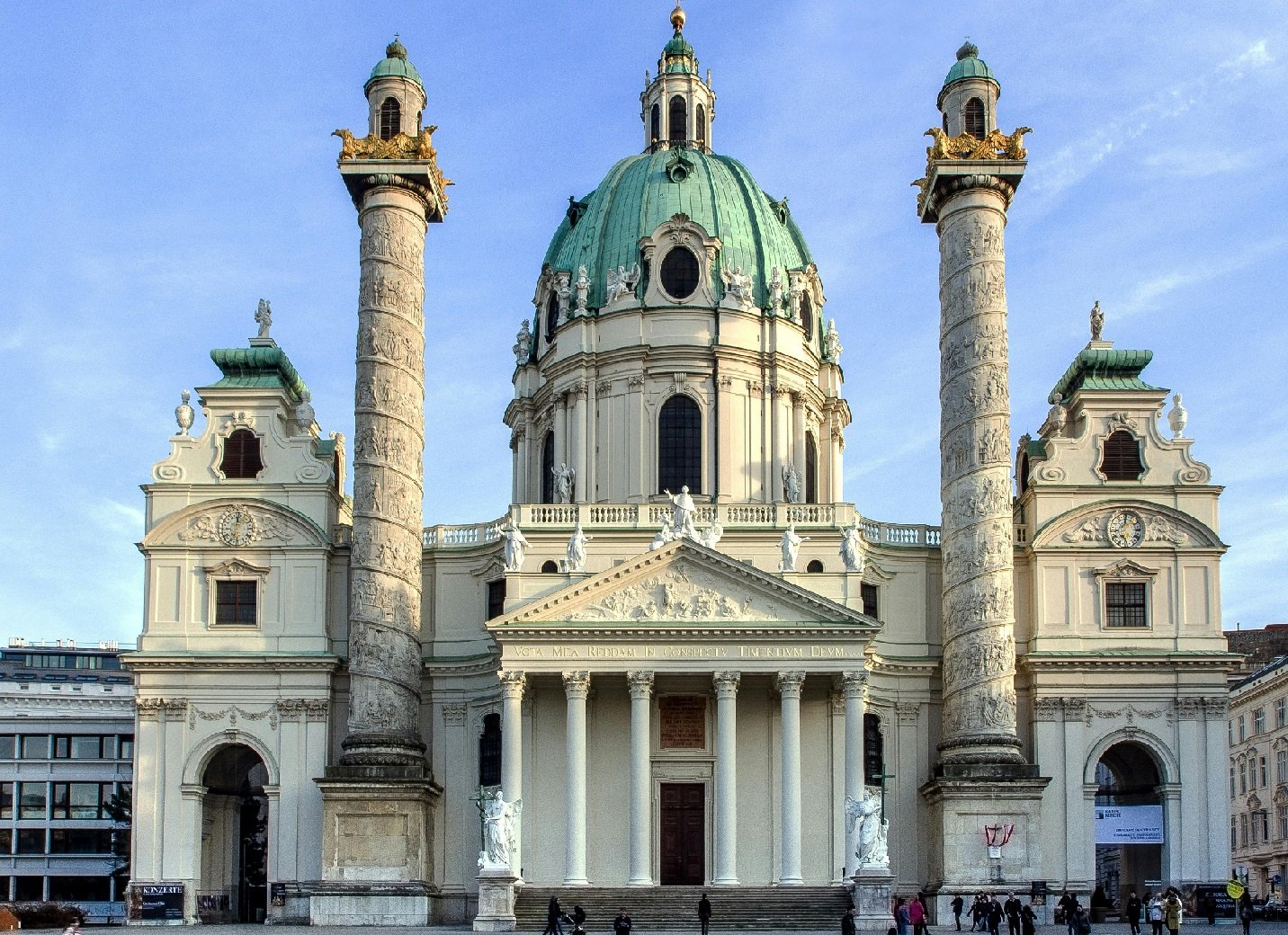
In recent years, Blockchain technology has revolutionized various industries, and the gaming sector is no exception. Blockchain games, also known as decentralized games, have gained popularity for their unique features that provide transparency, security, and ownership of in-game assets. Today, we delve into the world of blockchain games, examining their impact in two diverse locations: Vienna, Austria, and Myanmar (formerly known as Burma). Vienna, the capital of Austria, is known for its rich history, stunning architecture, and vibrant culture. It is also emerging as a hub for blockchain technology and innovation. The city is home to a growing community of blockchain enthusiasts, developers, and gamers who are exploring the potential of blockchain games. One of the key advantages of blockchain games is the ability to truly own in-game assets through non-fungible tokens (NFTs), which are unique digital assets stored on a blockchain. This ownership gives players the freedom to transfer or sell their assets outside of the game environment, creating a new paradigm for gaming economies. On the other side of the world, in Myanmar, blockchain games represent a glimmer of hope amidst a complex political landscape. The country has grappled with political unrest and internet restrictions, leading to challenges for traditional gaming platforms. Blockchain games offer a decentralized solution that transcends borders and censorship, enabling players in Myanmar to access a new world of gaming experiences. Moreover, blockchain technology provides a secure and transparent platform for transactions, which is especially valuable in regions where trust in centralized institutions may be lacking. As the worlds of blockchain technology and gaming converge, opportunities for collaboration and innovation abound. Developers in Vienna and Myanmar have the chance to exchange knowledge, ideas, and best practices to push the boundaries of blockchain games. By fostering a global community of gamers and developers, we can unlock the full potential of this disruptive technology and create a more inclusive and decentralized gaming ecosystem. In conclusion, blockchain games have the power to revolutionize the gaming industry and transcend geographic boundaries. From Vienna, Austria, to Myanmar, these games are reshaping how we play, interact, and transact in virtual worlds. By embracing blockchain technology, we can pave the way for a more equitable and transparent gaming landscape that empowers players and developers alike. So whether you find yourself in the historic streets of Vienna or the bustling markets of Myanmar, keep an eye out for the next generation of blockchain games that are changing the way we game, one block at a time.
Leave a Comment:
SEARCH
Recent News
- Zurich, Switzerland is a city known for its stunning landscapes, charming streets, and vibrant culture. One of the many delights of visiting Zurich is the opportunity to explore its unique shopping scene. For those looking to add a touch of luxury and warmth to their wardrobe, Zurich is the perfect place to discover exquisite wool stoles.
- Winter in Zurich, Switzerland is a magical time of year when snow-capped mountains, charming Christmas markets, and cozy cafes create a picturesque scene straight out of a fairytale. As the temperatures drop and the city prepares for the festive season, one essential accessory that both locals and visitors alike reach for to stay warm and stylish is a winter stole.
- Zurich, Switzerland: A Haven for Wildlife Conservation
- Zurich, Switzerland, and Vancouver, Canada, are two bustling cities known for their thriving startup scenes. In this blog post, we will take a closer look at some of the top startups making waves in each city.
- Zurich, Switzerland and Vancouver, Canada: A Comparison of Import and Export Opportunities
- Zurich, Switzerland and Vancouver, Canada are two vibrant cities with distinct characteristics that make them stand out in their respective regions. While Zurich is known for its financial prowess and high quality of life, Vancouver is a bustling hub of business and innovation on the west coast of Canada. Let's take a closer look at how these two cities compare in terms of their business environments.
- Zurich, Switzerland and Vancouver, Canada are both vibrant cities known for their strong economies and diverse job markets. In this article, we explore some of the best companies to work for in these two cities, highlighting their unique offerings and what makes them stand out in their respective industries.
- Located in the heart of Switzerland, Zurich is known for its stunning natural beauty, bustling city life, and thriving business environment. The city attracts businesses from all over the world, thanks to its robust infrastructure, highly skilled workforce, and favorable economic policies. For UK businesses looking to expand or set up operations in Zurich, there are a number of government business support programs available to help navigate the process.
READ MORE
11 months ago Category :

Zurich, Switzerland is a city known for its stunning landscapes, charming streets, and vibrant culture. One of the many delights of visiting Zurich is the opportunity to explore its unique shopping scene. For those looking to add a touch of luxury and warmth to their wardrobe, Zurich is the perfect place to discover exquisite wool stoles.
Read More →11 months ago Category :

Winter in Zurich, Switzerland is a magical time of year when snow-capped mountains, charming Christmas markets, and cozy cafes create a picturesque scene straight out of a fairytale. As the temperatures drop and the city prepares for the festive season, one essential accessory that both locals and visitors alike reach for to stay warm and stylish is a winter stole.
Read More →11 months ago Category :

Zurich, Switzerland: A Haven for Wildlife Conservation
Read More →11 months ago Category :
