Exploring the Impact of Blockchain Games on the Community in Vienna, Austria through Economic Welfare Theory
Category : | Sub Category : Posted on 2024-10-05 22:25:23
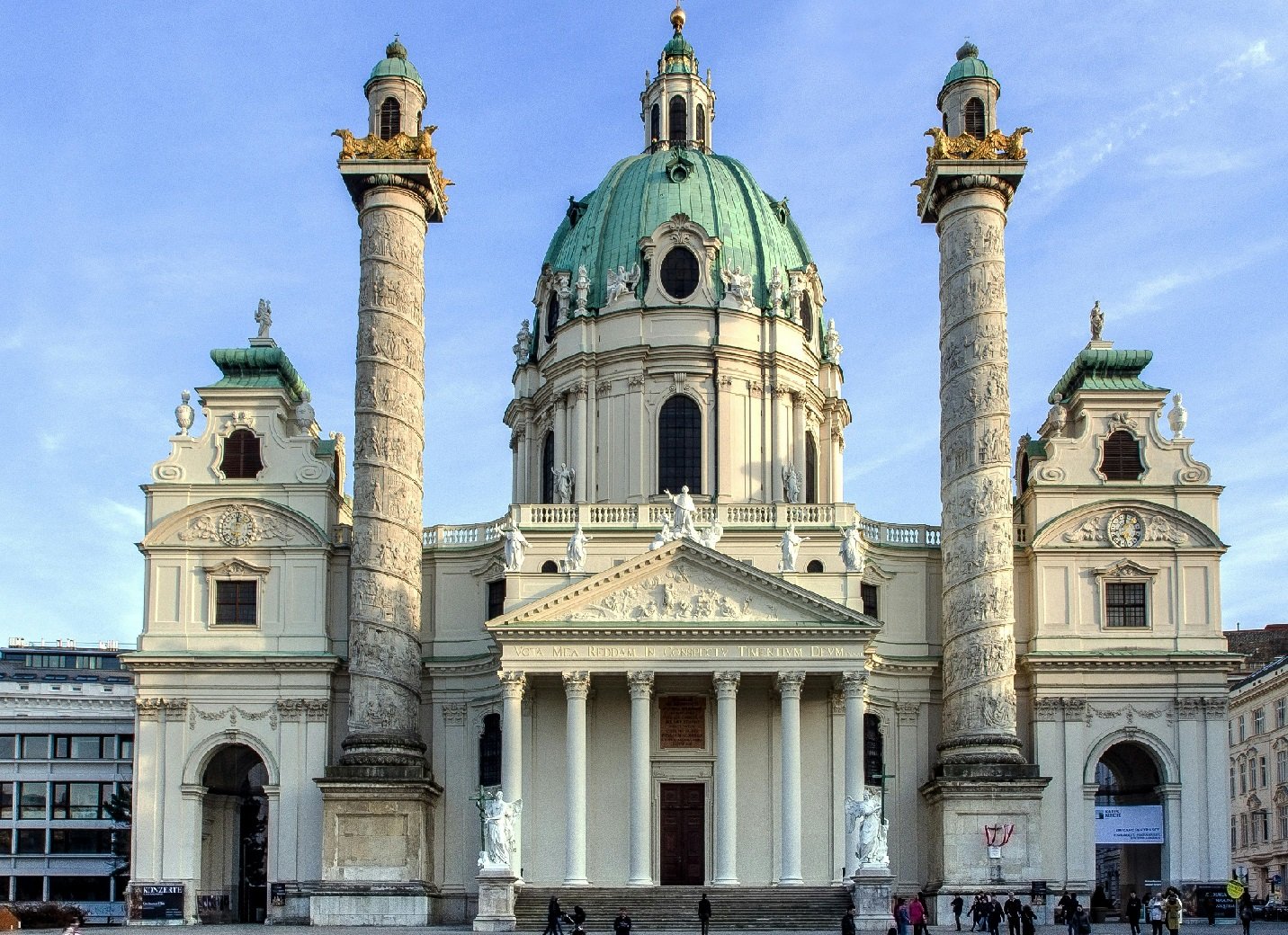
blockchain games have been gaining popularity worldwide, offering a unique way for players to interact with decentralized technologies and digital assets. In Vienna, Austria, the blockchain games community has been thriving, attracting enthusiasts and developers alike. By applying economic welfare theory, we can analyze the impact of blockchain games on the community in Vienna and explore the potential benefits they bring. Economic welfare theory focuses on the well-being of individuals within a society, considering both economic efficiency and distributional equity. When it comes to blockchain games, this theory can help us understand how these innovative platforms contribute to the overall welfare of the community in Vienna. One of the key aspects of blockchain games is their decentralized nature, which allows for transparent and secure transactions. This can lead to increased trust among players and developers, fostering a healthier gaming environment. In Vienna, this can translate to a more vibrant and inclusive community, where participants feel valued and respected. Moreover, blockchain games often incorporate digital assets that hold real-world value. Players can trade, buy, and sell these assets, creating economic opportunities within the community. This can stimulate economic growth in Vienna, as more individuals engage with blockchain games and contribute to the local economy. Additionally, blockchain games have the potential to democratize the gaming industry by empowering smaller developers and independent creators. In Vienna, this can lead to a more diverse and dynamic gaming scene, encouraging innovation and creativity. By lowering the barriers to entry, blockchain games open up new possibilities for developers to thrive and succeed. Furthermore, blockchain games promote ownership and control over digital assets, empowering players to have a stake in the virtual worlds they inhabit. This sense of ownership can foster a stronger sense of community in Vienna, as players collaborate and interact in shared environments. By promoting social connections and engagement, blockchain games contribute to the overall well-being of the community. In conclusion, the impact of blockchain games on the community in Vienna, Austria, is multifaceted and can be analyzed through economic welfare theory. By promoting transparency, economic opportunities, democratization, and community-building, blockchain games play a significant role in enhancing the well-being of individuals within the Vienna gaming ecosystem. As the blockchain games industry continues to evolve, it will be exciting to see how these platforms further contribute to the economic welfare and overall prosperity of the community in Vienna.
Leave a Comment:
SEARCH
Recent News
- Zurich, Switzerland is a city known for its stunning landscapes, charming streets, and vibrant culture. One of the many delights of visiting Zurich is the opportunity to explore its unique shopping scene. For those looking to add a touch of luxury and warmth to their wardrobe, Zurich is the perfect place to discover exquisite wool stoles.
- Winter in Zurich, Switzerland is a magical time of year when snow-capped mountains, charming Christmas markets, and cozy cafes create a picturesque scene straight out of a fairytale. As the temperatures drop and the city prepares for the festive season, one essential accessory that both locals and visitors alike reach for to stay warm and stylish is a winter stole.
- Zurich, Switzerland: A Haven for Wildlife Conservation
- Zurich, Switzerland, and Vancouver, Canada, are two bustling cities known for their thriving startup scenes. In this blog post, we will take a closer look at some of the top startups making waves in each city.
- Zurich, Switzerland and Vancouver, Canada: A Comparison of Import and Export Opportunities
- Zurich, Switzerland and Vancouver, Canada are two vibrant cities with distinct characteristics that make them stand out in their respective regions. While Zurich is known for its financial prowess and high quality of life, Vancouver is a bustling hub of business and innovation on the west coast of Canada. Let's take a closer look at how these two cities compare in terms of their business environments.
- Zurich, Switzerland and Vancouver, Canada are both vibrant cities known for their strong economies and diverse job markets. In this article, we explore some of the best companies to work for in these two cities, highlighting their unique offerings and what makes them stand out in their respective industries.
- Located in the heart of Switzerland, Zurich is known for its stunning natural beauty, bustling city life, and thriving business environment. The city attracts businesses from all over the world, thanks to its robust infrastructure, highly skilled workforce, and favorable economic policies. For UK businesses looking to expand or set up operations in Zurich, there are a number of government business support programs available to help navigate the process.
READ MORE
11 months ago Category :

Zurich, Switzerland is a city known for its stunning landscapes, charming streets, and vibrant culture. One of the many delights of visiting Zurich is the opportunity to explore its unique shopping scene. For those looking to add a touch of luxury and warmth to their wardrobe, Zurich is the perfect place to discover exquisite wool stoles.
Read More →11 months ago Category :

Winter in Zurich, Switzerland is a magical time of year when snow-capped mountains, charming Christmas markets, and cozy cafes create a picturesque scene straight out of a fairytale. As the temperatures drop and the city prepares for the festive season, one essential accessory that both locals and visitors alike reach for to stay warm and stylish is a winter stole.
Read More →11 months ago Category :

Zurich, Switzerland: A Haven for Wildlife Conservation
Read More →11 months ago Category :
