Blockchain Games: The Future of Turkey and Vienna, Austria
Category : | Sub Category : Posted on 2024-10-05 22:25:23
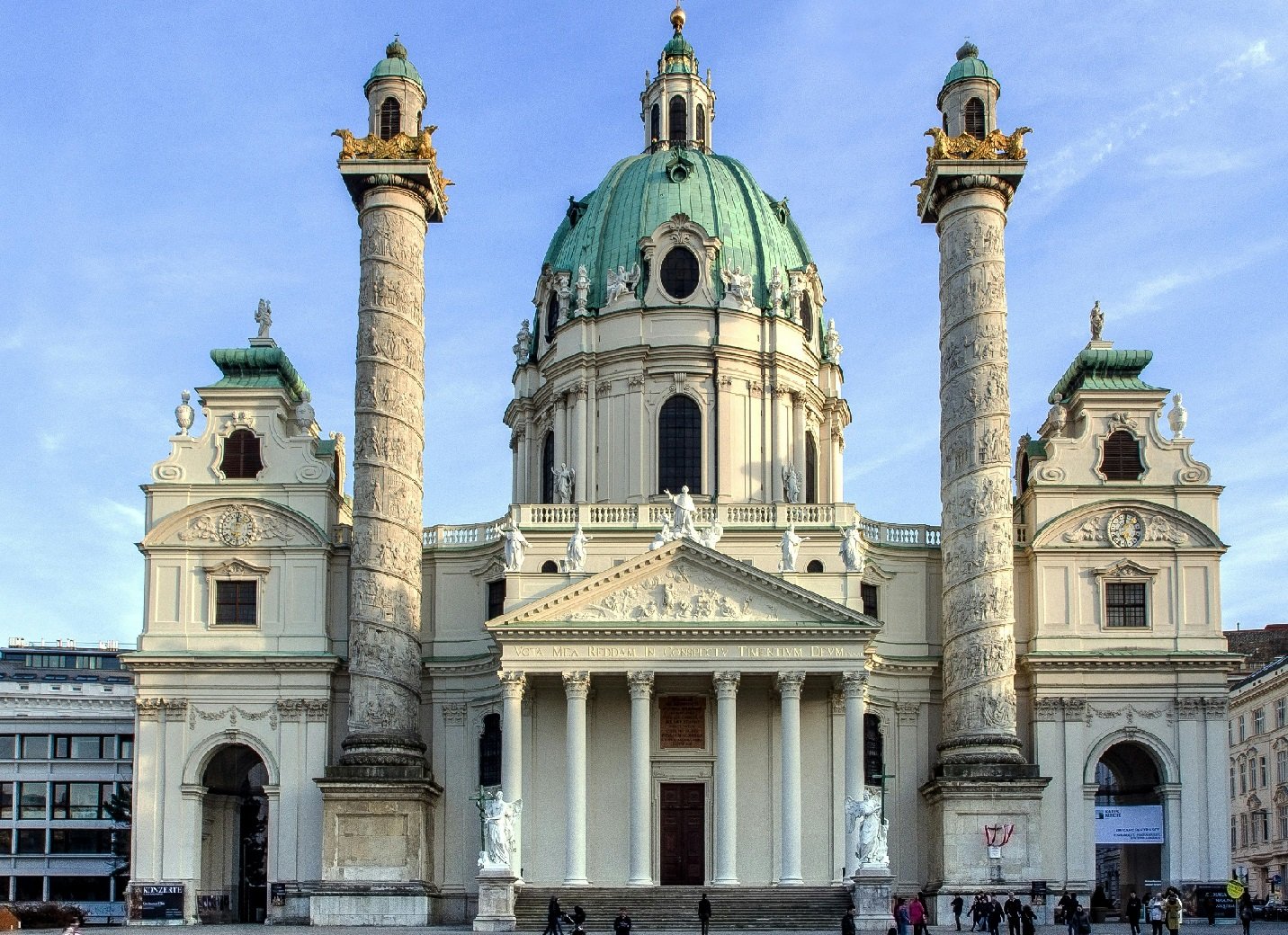
blockchain technology has been making waves across various industries, and one area where it is gaining significant traction is in the world of gaming. Blockchain games, also known as play-to-earn games, are a new genre of video games that leverage blockchain technology to provide players with true ownership of in-game assets and the ability to earn real-world rewards. Turkey and Vienna, Austria, are two countries that have shown a keen interest in the development and adoption of blockchain technology, including blockchain games. Let's explore how these countries are embracing this new form of gaming and the potential impact it may have on their economies and societies. In Turkey, blockchain technology is being seen as a means to foster innovation and drive economic growth. The government has shown support for blockchain initiatives, with the country's Ministry of Industry and Technology allocating resources to promote the development and adoption of blockchain applications. With a young population that is enthusiastic about technology and gaming, Turkey has the potential to become a hub for blockchain games in the region. Vienna, Austria, is another hotspot for blockchain technology and gaming innovation. The city is home to a vibrant tech scene and has a strong focus on promoting digital innovation. With a high standard of living and a tech-savvy population, Vienna is well-positioned to capitalize on the growing trend of blockchain games. Blockchain games offer a unique proposition for players, allowing them to truly own their in-game assets and earn real rewards for their time and effort. This has the potential to not only revolutionize the gaming industry but also create new opportunities for players to earn a living by playing games. As Turkey and Vienna embrace blockchain games, they are likely to see a boost in their tech sectors and attract talent and investment from around the world. By embracing this new form of gaming, these countries are positioning themselves as leaders in the blockchain space and paving the way for a future where games are more than just a pastime but a means of economic empowerment. In conclusion, the future of blockchain games in Turkey and Vienna, Austria, looks bright. With supportive governments, a tech-savvy population, and a growing interest in blockchain technology, these countries are well-positioned to capitalize on the opportunities presented by blockchain games. As this new form of gaming continues to grow in popularity, we can expect to see a positive impact on the economies and societies of both countries.
Leave a Comment:
SEARCH
Recent News
- Zurich, Switzerland is a city known for its stunning landscapes, charming streets, and vibrant culture. One of the many delights of visiting Zurich is the opportunity to explore its unique shopping scene. For those looking to add a touch of luxury and warmth to their wardrobe, Zurich is the perfect place to discover exquisite wool stoles.
- Winter in Zurich, Switzerland is a magical time of year when snow-capped mountains, charming Christmas markets, and cozy cafes create a picturesque scene straight out of a fairytale. As the temperatures drop and the city prepares for the festive season, one essential accessory that both locals and visitors alike reach for to stay warm and stylish is a winter stole.
- Zurich, Switzerland: A Haven for Wildlife Conservation
- Zurich, Switzerland, and Vancouver, Canada, are two bustling cities known for their thriving startup scenes. In this blog post, we will take a closer look at some of the top startups making waves in each city.
- Zurich, Switzerland and Vancouver, Canada: A Comparison of Import and Export Opportunities
- Zurich, Switzerland and Vancouver, Canada are two vibrant cities with distinct characteristics that make them stand out in their respective regions. While Zurich is known for its financial prowess and high quality of life, Vancouver is a bustling hub of business and innovation on the west coast of Canada. Let's take a closer look at how these two cities compare in terms of their business environments.
- Zurich, Switzerland and Vancouver, Canada are both vibrant cities known for their strong economies and diverse job markets. In this article, we explore some of the best companies to work for in these two cities, highlighting their unique offerings and what makes them stand out in their respective industries.
- Located in the heart of Switzerland, Zurich is known for its stunning natural beauty, bustling city life, and thriving business environment. The city attracts businesses from all over the world, thanks to its robust infrastructure, highly skilled workforce, and favorable economic policies. For UK businesses looking to expand or set up operations in Zurich, there are a number of government business support programs available to help navigate the process.
READ MORE
11 months ago Category :

Zurich, Switzerland is a city known for its stunning landscapes, charming streets, and vibrant culture. One of the many delights of visiting Zurich is the opportunity to explore its unique shopping scene. For those looking to add a touch of luxury and warmth to their wardrobe, Zurich is the perfect place to discover exquisite wool stoles.
Read More →11 months ago Category :

Winter in Zurich, Switzerland is a magical time of year when snow-capped mountains, charming Christmas markets, and cozy cafes create a picturesque scene straight out of a fairytale. As the temperatures drop and the city prepares for the festive season, one essential accessory that both locals and visitors alike reach for to stay warm and stylish is a winter stole.
Read More →11 months ago Category :

Zurich, Switzerland: A Haven for Wildlife Conservation
Read More →11 months ago Category :
