Understanding the Impact of Blockchain on Hyperinflation in Vienna, Austria
Category : | Sub Category : Posted on 2024-10-05 22:25:23
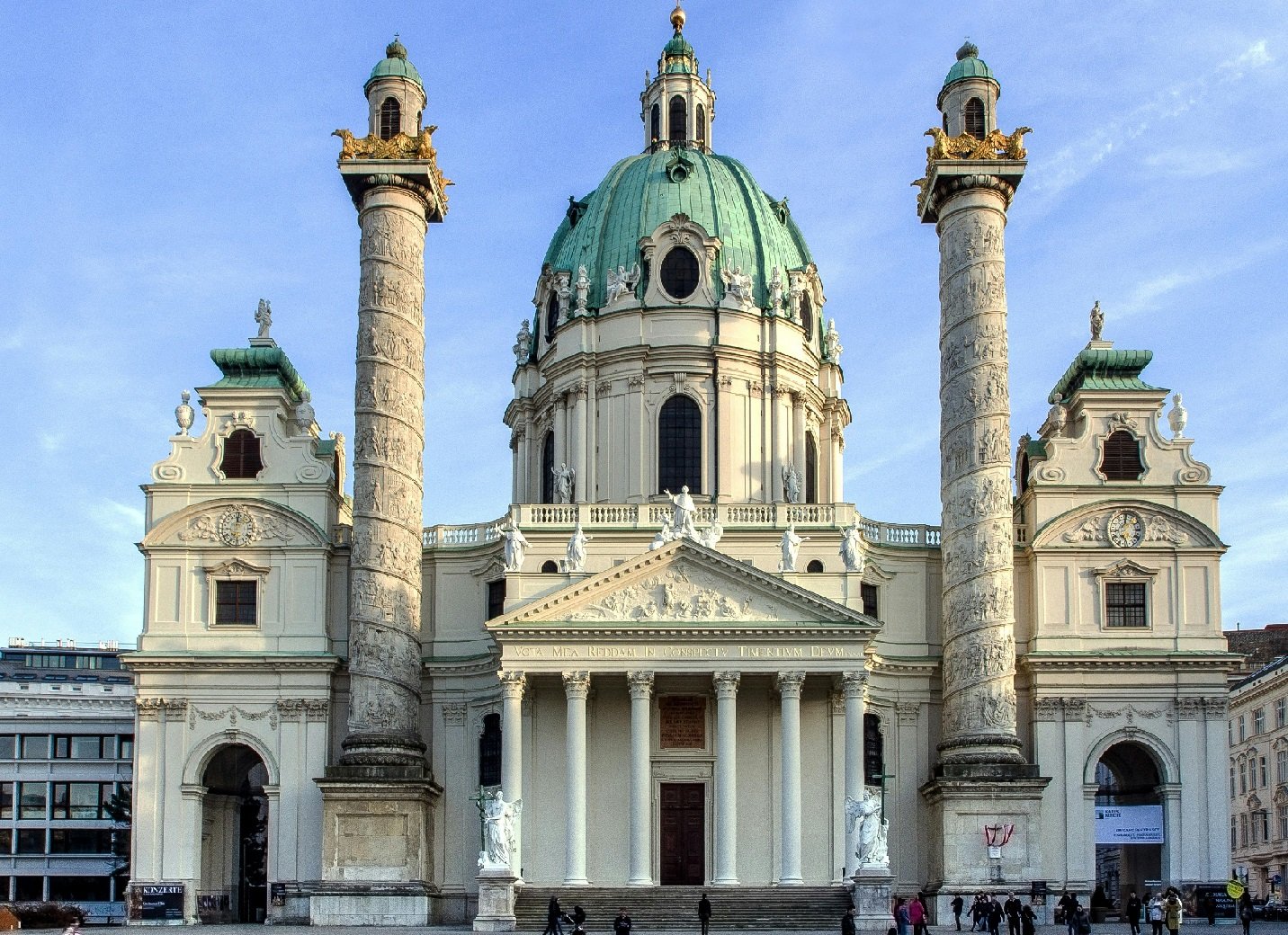
Vienna, the capital city of Austria, is known for its rich history, stunning architecture, and vibrant culture. However, in recent years, the city has faced challenges related to hyperinflation, where the value of the local currency rapidly declines, leading to a surge in prices for goods and services. This economic instability has prompted officials and experts to explore innovative solutions, including the use of blockchain technology. Blockchain, the decentralized, transparent, and secure ledger technology behind cryptocurrencies like Bitcoin, has been gaining traction globally for its potential to revolutionize various industries, including finance, supply chain management, and healthcare. In the context of hyperinflation in Vienna, blockchain offers a promising tool to address the economic challenges faced by the city. One of the key ways blockchain can help mitigate the impact of hyperinflation in Vienna is by providing a secure and stable digital currency alternative. Cryptocurrencies, such as stablecoins pegged to a fiat currency like the Euro, can help protect individuals and businesses from the devaluation of the local currency. By leveraging blockchain technology, residents of Vienna can transact, save, and invest in a more stable currency, reducing the impact of hyperinflation on their financial well-being. Moreover, blockchain-based smart contracts can enable automated, transparent, and efficient transactions, reducing the need for intermediaries and lowering transaction costs. This can benefit businesses in Vienna by streamlining operations, improving transparency, and enhancing trust among customers and partners. Smart contracts can also facilitate new types of financial instruments, such as decentralized lending and crowdfunding platforms, which can spur economic growth and innovation in the city. Additionally, the use of blockchain for supply chain management can help combat inflation-driven price increases by enhancing traceability, authenticity, and efficiency in the movement of goods and services. By implementing blockchain solutions, businesses in Vienna can ensure the integrity of their supply chains, reduce operational costs, and better respond to market fluctuations caused by hyperinflation. In conclusion, blockchain technology has the potential to positively impact Vienna's economy in the face of hyperinflation by providing secure digital currency alternatives, enabling efficient transactions through smart contracts, and improving supply chain management practices. As city officials, businesses, and residents embrace blockchain innovation, Vienna can navigate the challenges of hyperinflation and emerge as a resilient and forward-thinking economic hub in Austria.
Leave a Comment:
SEARCH
Recent News
- Zurich, Switzerland is a city known for its stunning landscapes, charming streets, and vibrant culture. One of the many delights of visiting Zurich is the opportunity to explore its unique shopping scene. For those looking to add a touch of luxury and warmth to their wardrobe, Zurich is the perfect place to discover exquisite wool stoles.
- Winter in Zurich, Switzerland is a magical time of year when snow-capped mountains, charming Christmas markets, and cozy cafes create a picturesque scene straight out of a fairytale. As the temperatures drop and the city prepares for the festive season, one essential accessory that both locals and visitors alike reach for to stay warm and stylish is a winter stole.
- Zurich, Switzerland: A Haven for Wildlife Conservation
- Zurich, Switzerland, and Vancouver, Canada, are two bustling cities known for their thriving startup scenes. In this blog post, we will take a closer look at some of the top startups making waves in each city.
- Zurich, Switzerland and Vancouver, Canada: A Comparison of Import and Export Opportunities
- Zurich, Switzerland and Vancouver, Canada are two vibrant cities with distinct characteristics that make them stand out in their respective regions. While Zurich is known for its financial prowess and high quality of life, Vancouver is a bustling hub of business and innovation on the west coast of Canada. Let's take a closer look at how these two cities compare in terms of their business environments.
- Zurich, Switzerland and Vancouver, Canada are both vibrant cities known for their strong economies and diverse job markets. In this article, we explore some of the best companies to work for in these two cities, highlighting their unique offerings and what makes them stand out in their respective industries.
- Located in the heart of Switzerland, Zurich is known for its stunning natural beauty, bustling city life, and thriving business environment. The city attracts businesses from all over the world, thanks to its robust infrastructure, highly skilled workforce, and favorable economic policies. For UK businesses looking to expand or set up operations in Zurich, there are a number of government business support programs available to help navigate the process.
READ MORE
11 months ago Category :

Zurich, Switzerland is a city known for its stunning landscapes, charming streets, and vibrant culture. One of the many delights of visiting Zurich is the opportunity to explore its unique shopping scene. For those looking to add a touch of luxury and warmth to their wardrobe, Zurich is the perfect place to discover exquisite wool stoles.
Read More →11 months ago Category :

Winter in Zurich, Switzerland is a magical time of year when snow-capped mountains, charming Christmas markets, and cozy cafes create a picturesque scene straight out of a fairytale. As the temperatures drop and the city prepares for the festive season, one essential accessory that both locals and visitors alike reach for to stay warm and stylish is a winter stole.
Read More →11 months ago Category :

Zurich, Switzerland: A Haven for Wildlife Conservation
Read More →11 months ago Category :
