Exploring Blockchain Technology for Access Control in Vienna, Austria
Category : | Sub Category : Posted on 2024-10-05 22:25:23
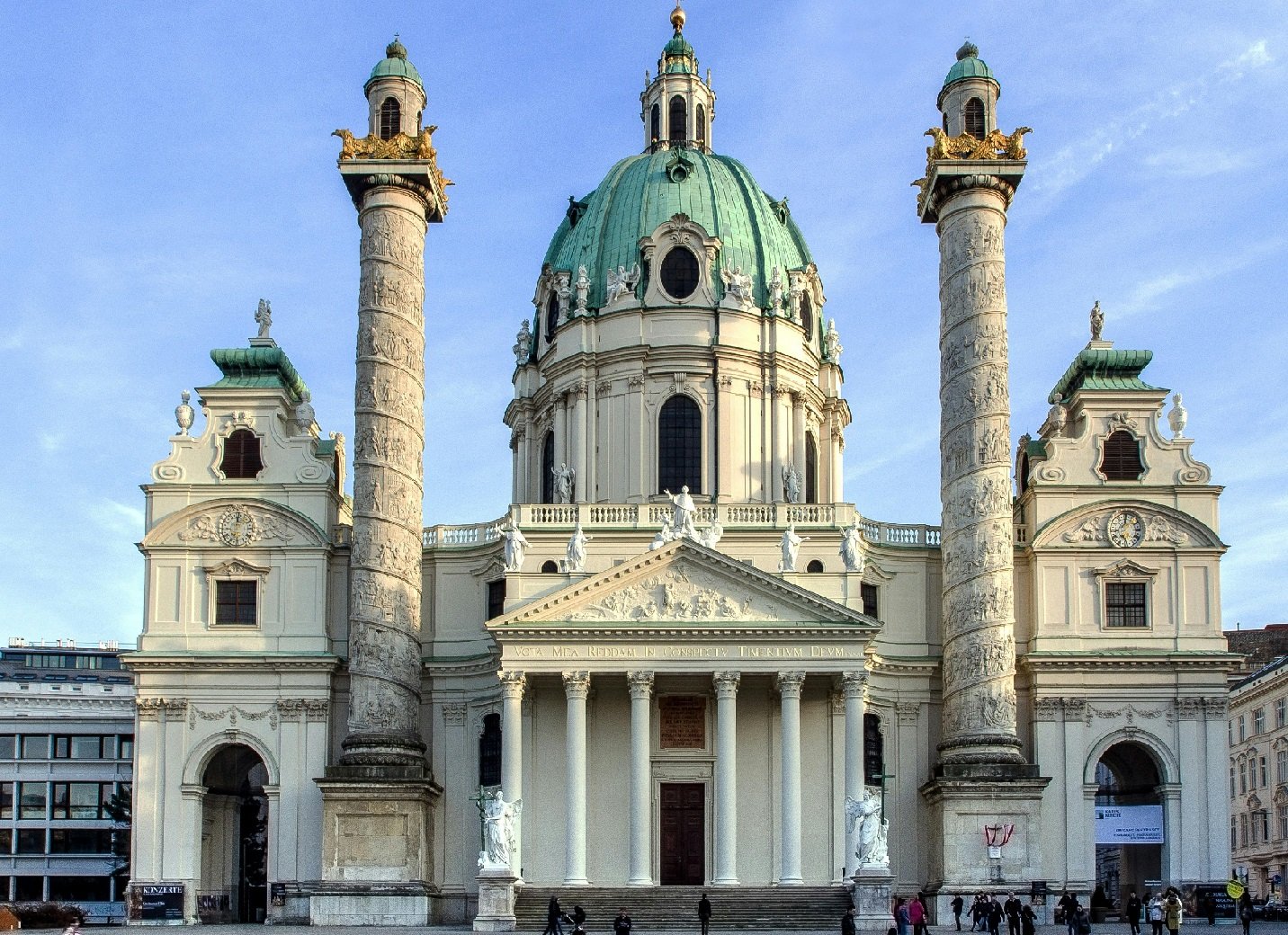
blockchain technology has been making waves across various industries, revolutionizing the way we store and transfer data. In Vienna, Austria, blockchain is being harnessed for access control, offering new possibilities for enhancing security and efficiency in a wide range of applications. Access control is a critical aspect of security management, whether it be for buildings, data systems, or even events. Traditional access control systems often rely on centralized databases that are vulnerable to cyber attacks and data breaches. Blockchain technology provides a decentralized and secure alternative, offering a tamper-proof and transparent way to manage access rights. By using blockchain for access control in Vienna, organizations can ensure that only authorized individuals have access to certain resources or areas. This can be particularly valuable in industries such as healthcare, finance, and government, where data security and privacy are paramount. For instance, healthcare facilities can use blockchain to manage access to electronic health records, ensuring that patient data remains confidential and secure. Moreover, blockchain-based access control systems can streamline processes and eliminate the need for intermediaries. Smart contracts, self-executing contracts with the terms of the agreement written into code, can automate access control decisions based on predefined rules. This not only reduces administrative overhead but also mitigates the risk of human error or fraud. In Vienna, the adoption of blockchain technology for access control is gaining traction across various sectors. From smart buildings that use blockchain to manage access to shared spaces, to event organizers using blockchain-based ticketing systems to prevent ticket fraud, the potential applications are vast and diverse. However, challenges remain, including scalability, interoperability, and regulatory considerations. Interoperability between different blockchain platforms and existing systems is crucial for widespread adoption, while regulatory frameworks need to evolve to accommodate the unique characteristics of blockchain technology. Despite these challenges, the benefits of using blockchain for access control in Vienna, Austria, are undeniable. Enhanced security, transparency, and efficiency are just some of the advantages that blockchain technology offers in this context. As organizations continue to explore the potential of blockchain for access control, Vienna is poised to become a hub for innovation in secure and decentralized systems.
Leave a Comment:
SEARCH
Recent News
- Zurich, Switzerland is a city known for its stunning landscapes, charming streets, and vibrant culture. One of the many delights of visiting Zurich is the opportunity to explore its unique shopping scene. For those looking to add a touch of luxury and warmth to their wardrobe, Zurich is the perfect place to discover exquisite wool stoles.
- Winter in Zurich, Switzerland is a magical time of year when snow-capped mountains, charming Christmas markets, and cozy cafes create a picturesque scene straight out of a fairytale. As the temperatures drop and the city prepares for the festive season, one essential accessory that both locals and visitors alike reach for to stay warm and stylish is a winter stole.
- Zurich, Switzerland: A Haven for Wildlife Conservation
- Zurich, Switzerland, and Vancouver, Canada, are two bustling cities known for their thriving startup scenes. In this blog post, we will take a closer look at some of the top startups making waves in each city.
- Zurich, Switzerland and Vancouver, Canada: A Comparison of Import and Export Opportunities
- Zurich, Switzerland and Vancouver, Canada are two vibrant cities with distinct characteristics that make them stand out in their respective regions. While Zurich is known for its financial prowess and high quality of life, Vancouver is a bustling hub of business and innovation on the west coast of Canada. Let's take a closer look at how these two cities compare in terms of their business environments.
- Zurich, Switzerland and Vancouver, Canada are both vibrant cities known for their strong economies and diverse job markets. In this article, we explore some of the best companies to work for in these two cities, highlighting their unique offerings and what makes them stand out in their respective industries.
- Located in the heart of Switzerland, Zurich is known for its stunning natural beauty, bustling city life, and thriving business environment. The city attracts businesses from all over the world, thanks to its robust infrastructure, highly skilled workforce, and favorable economic policies. For UK businesses looking to expand or set up operations in Zurich, there are a number of government business support programs available to help navigate the process.
READ MORE
11 months ago Category :

Zurich, Switzerland is a city known for its stunning landscapes, charming streets, and vibrant culture. One of the many delights of visiting Zurich is the opportunity to explore its unique shopping scene. For those looking to add a touch of luxury and warmth to their wardrobe, Zurich is the perfect place to discover exquisite wool stoles.
Read More →11 months ago Category :

Winter in Zurich, Switzerland is a magical time of year when snow-capped mountains, charming Christmas markets, and cozy cafes create a picturesque scene straight out of a fairytale. As the temperatures drop and the city prepares for the festive season, one essential accessory that both locals and visitors alike reach for to stay warm and stylish is a winter stole.
Read More →11 months ago Category :

Zurich, Switzerland: A Haven for Wildlife Conservation
Read More →11 months ago Category :
