Blockchain Technology: Bridging the Gap Between Vienna, Austria, and Congo
Category : | Sub Category : Posted on 2024-10-05 22:25:23
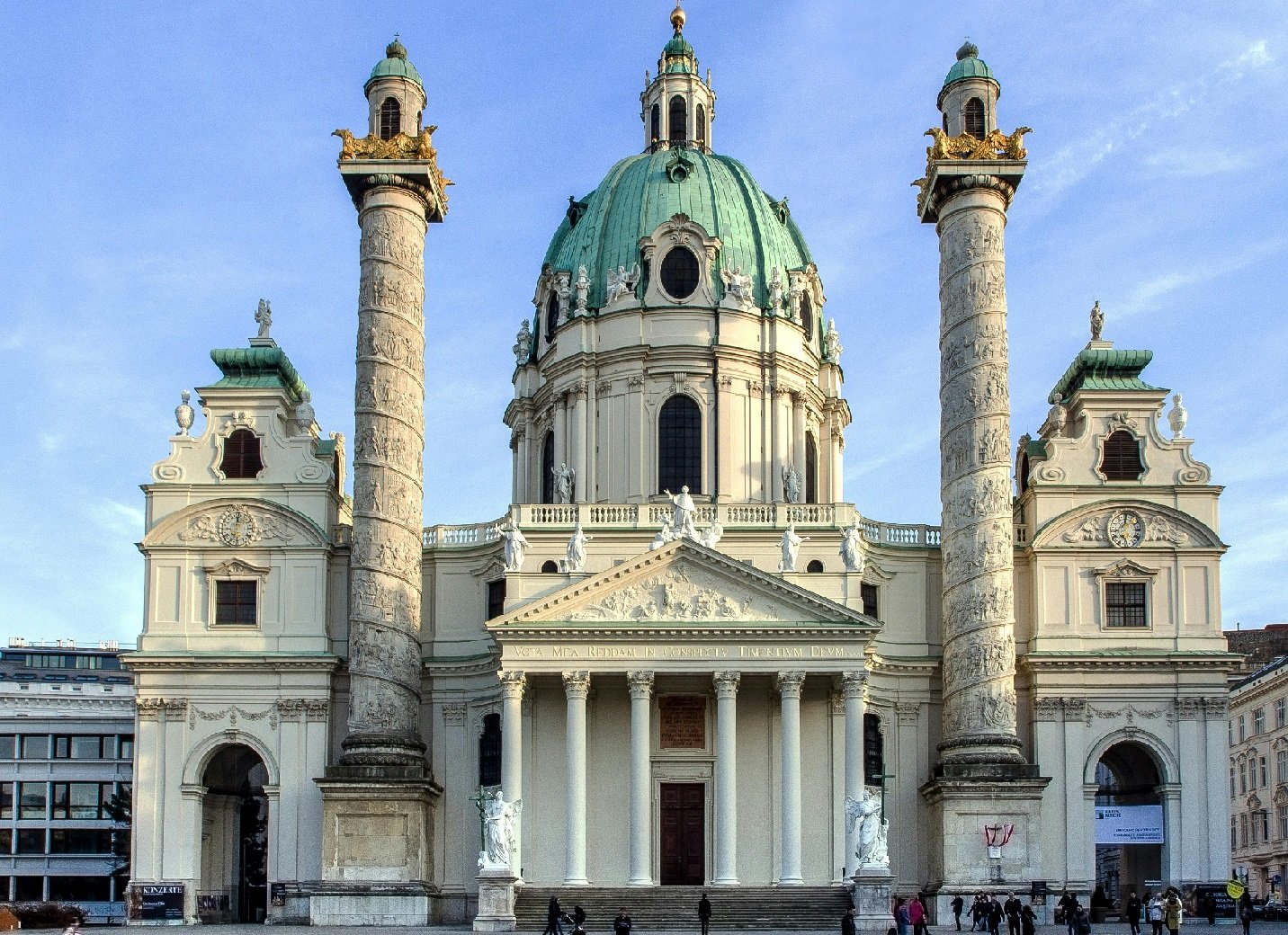
blockchain technology has been making waves across industries and continents, revolutionizing the way we think about data, transactions, and security. This decentralized digital ledger system has the power to connect people and businesses in a way never seen before, transcending geographical boundaries and fostering collaboration on a global scale. In this blog post, we will explore how blockchain technology can bridge the gap between Vienna, Austria, and Congo, two seemingly distant locations with unique opportunities for innovation and growth. Vienna, the capital city of Austria, is known for its rich cultural heritage, stunning architecture, and quality of life. It is also a thriving hub for technology and innovation, with a growing blockchain community that is pushing the boundaries of what is possible in this rapidly evolving field. On the other hand, Congo, located in Central Africa, is a country with vast untapped potential, abundant natural resources, and a young, dynamic population eager to harness the power of technology for social and economic development. By leveraging blockchain technology, Vienna and Congo can forge new partnerships and collaborations that benefit both regions. One of the key ways blockchain can facilitate this is through secure and transparent transactions. The use of blockchain can help streamline cross-border payments, reduce transaction costs, and eliminate the need for intermediaries, making it easier for businesses in Vienna and Congo to engage in trade and commerce. Moreover, blockchain can also play a crucial role in promoting transparency and accountability in key sectors such as supply chain management and governance. In Congo, for example, blockchain can be used to track the provenance of minerals and other natural resources, helping to combat illegal mining and promote sustainable practices. In Vienna, blockchain can enhance the efficiency of government services and improve trust between citizens and public institutions. Furthermore, blockchain technology can empower individuals in both Vienna and Congo by giving them greater control over their data and digital identities. Through decentralized applications built on blockchain, people can securely store and manage their personal information, financial records, and other sensitive data, reducing the risk of identity theft and fraud. In conclusion, blockchain technology has the potential to bridge the gap between Vienna, Austria, and Congo by fostering collaboration, innovation, and economic growth. By embracing this transformative technology, businesses, governments, and individuals in both regions can unlock new opportunities and create a more connected and prosperous future for all.
Leave a Comment:
SEARCH
Recent News
- Zurich, Switzerland is a city known for its stunning landscapes, charming streets, and vibrant culture. One of the many delights of visiting Zurich is the opportunity to explore its unique shopping scene. For those looking to add a touch of luxury and warmth to their wardrobe, Zurich is the perfect place to discover exquisite wool stoles.
- Winter in Zurich, Switzerland is a magical time of year when snow-capped mountains, charming Christmas markets, and cozy cafes create a picturesque scene straight out of a fairytale. As the temperatures drop and the city prepares for the festive season, one essential accessory that both locals and visitors alike reach for to stay warm and stylish is a winter stole.
- Zurich, Switzerland: A Haven for Wildlife Conservation
- Zurich, Switzerland, and Vancouver, Canada, are two bustling cities known for their thriving startup scenes. In this blog post, we will take a closer look at some of the top startups making waves in each city.
- Zurich, Switzerland and Vancouver, Canada: A Comparison of Import and Export Opportunities
- Zurich, Switzerland and Vancouver, Canada are two vibrant cities with distinct characteristics that make them stand out in their respective regions. While Zurich is known for its financial prowess and high quality of life, Vancouver is a bustling hub of business and innovation on the west coast of Canada. Let's take a closer look at how these two cities compare in terms of their business environments.
- Zurich, Switzerland and Vancouver, Canada are both vibrant cities known for their strong economies and diverse job markets. In this article, we explore some of the best companies to work for in these two cities, highlighting their unique offerings and what makes them stand out in their respective industries.
- Located in the heart of Switzerland, Zurich is known for its stunning natural beauty, bustling city life, and thriving business environment. The city attracts businesses from all over the world, thanks to its robust infrastructure, highly skilled workforce, and favorable economic policies. For UK businesses looking to expand or set up operations in Zurich, there are a number of government business support programs available to help navigate the process.
READ MORE
11 months ago Category :

Zurich, Switzerland is a city known for its stunning landscapes, charming streets, and vibrant culture. One of the many delights of visiting Zurich is the opportunity to explore its unique shopping scene. For those looking to add a touch of luxury and warmth to their wardrobe, Zurich is the perfect place to discover exquisite wool stoles.
Read More →11 months ago Category :

Winter in Zurich, Switzerland is a magical time of year when snow-capped mountains, charming Christmas markets, and cozy cafes create a picturesque scene straight out of a fairytale. As the temperatures drop and the city prepares for the festive season, one essential accessory that both locals and visitors alike reach for to stay warm and stylish is a winter stole.
Read More →11 months ago Category :

Zurich, Switzerland: A Haven for Wildlife Conservation
Read More →11 months ago Category :
